Our Bulletproof School and Education Projects
Bulletproof Schools that put Education First
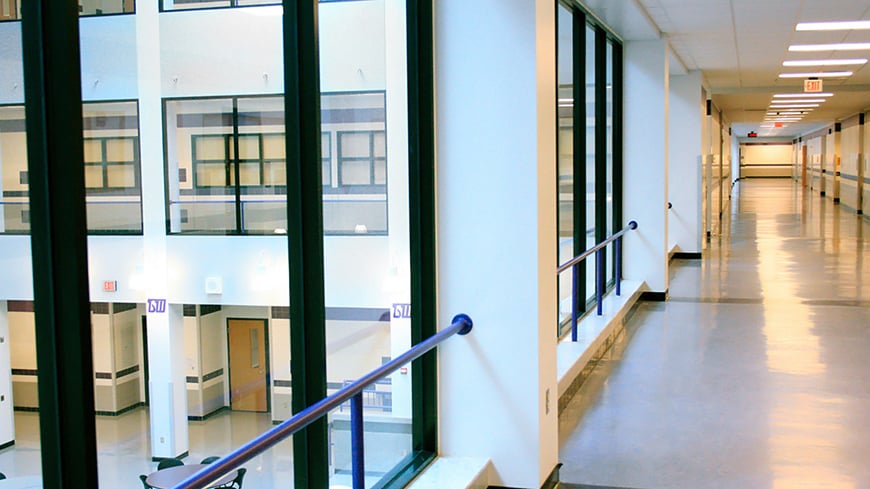
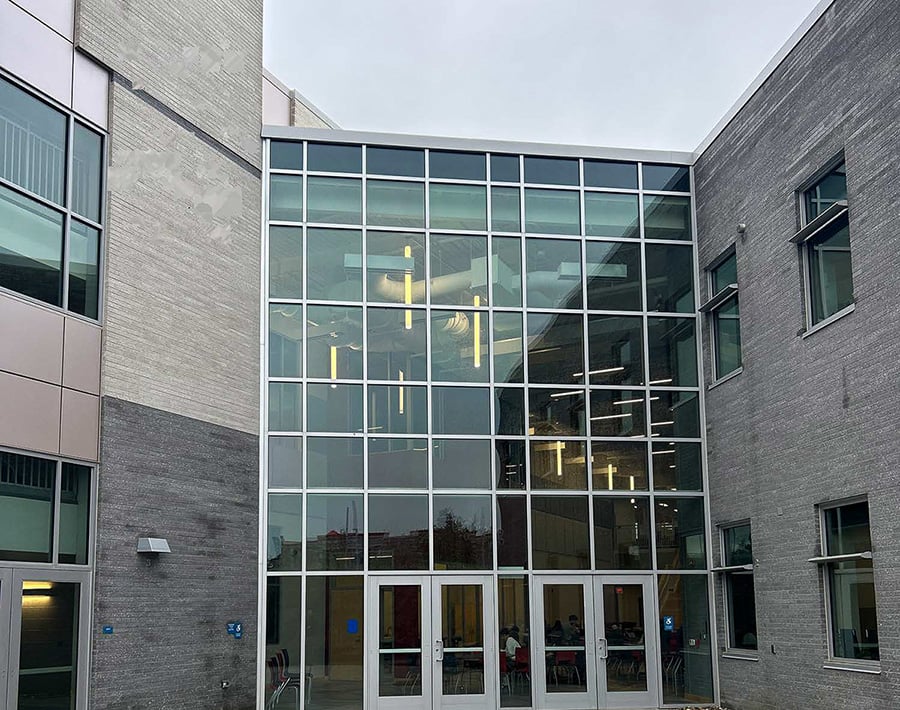
Schools should be a place of learning, first and foremost. However, as times change, so does the need for increased bullet resistance. Schools are increasingly investing in bullet-resistant windows, doors, and other barriers to increase security, with legislation in some cases helping to drive those initiatives.
What shouldn’t change is the focus on fostering an educational environment. Without the right approach, bulletproof school barriers make schools feel closed in and even dangerous. This is where a company like TSS enters the picture.
Since 2004, TSS has helped countless school districts and educational facilities nationwide increase their bulletproof protection without sacrificing architectural integrity or an educational environment. Students, faculty, and staff have an additional layer of protection that blends right in with the existing architecture. Plus, we understand the ins and outs of working within schools’ budgets and timelines. When you need a bulletproofing partner that can navigate the complexities of working in an educational environment, we have the skill, resources, and abilities you’re looking for.
BULLETPROOF SCHOOL SECURITY IS NO LONGER OPTIONAL
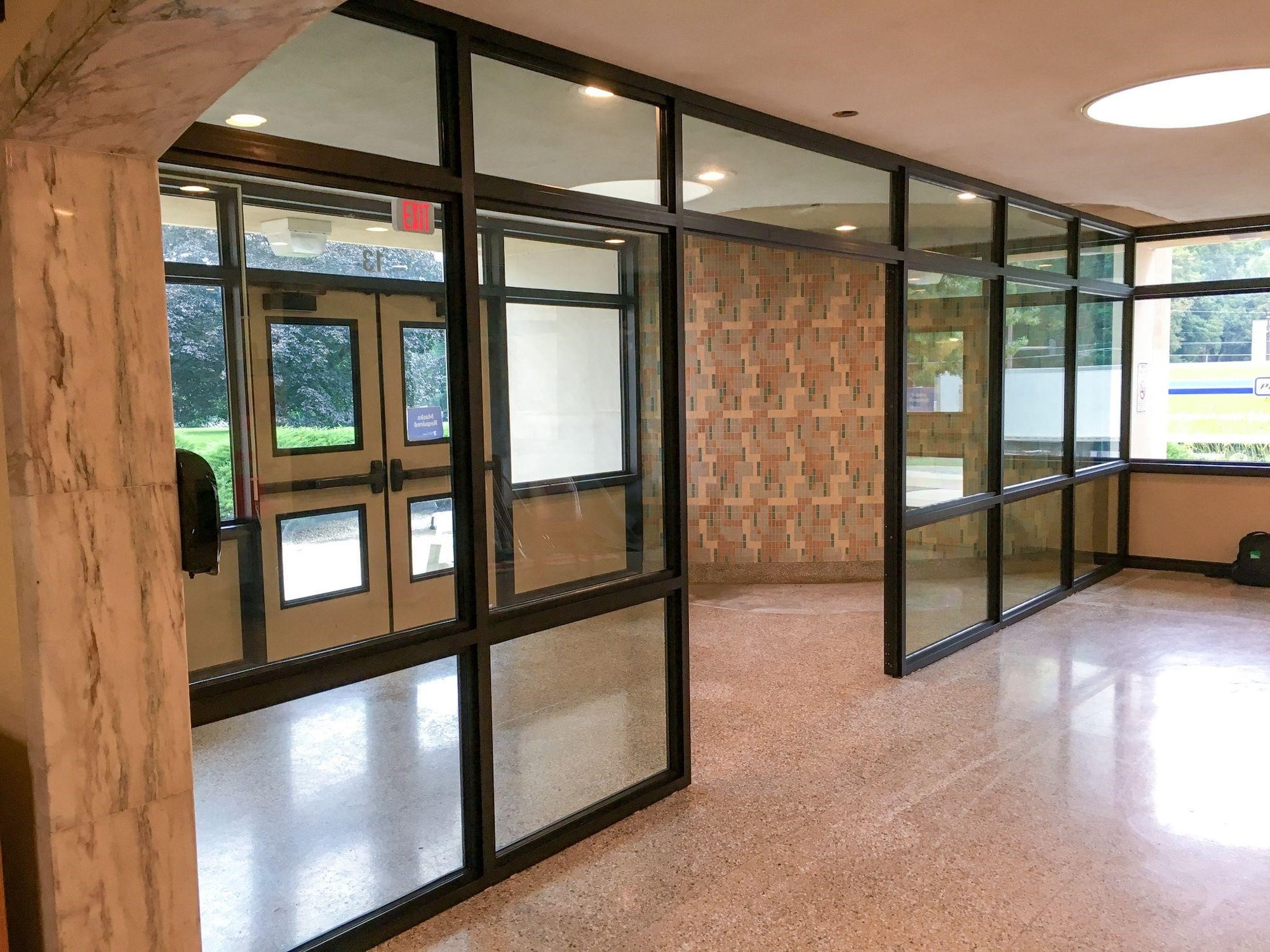
Success Story: Adding Ballistic Security to Five Tennessee Schools
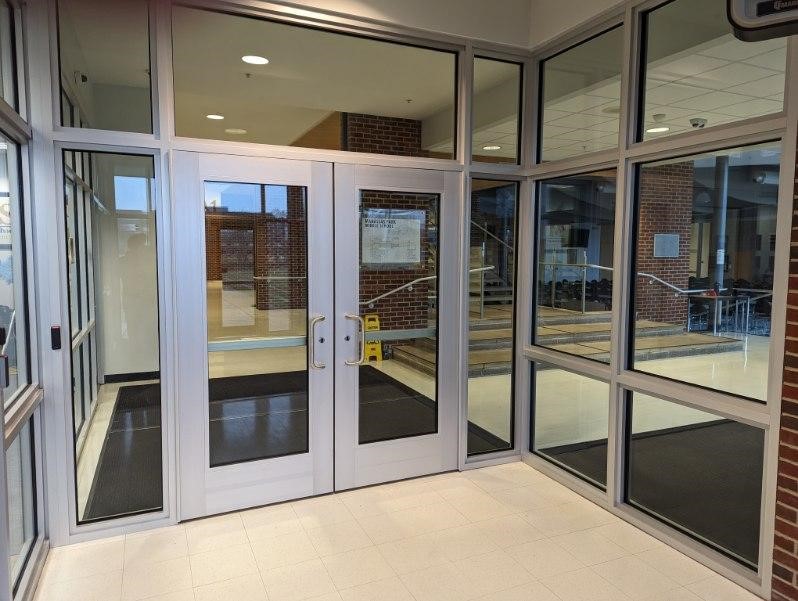
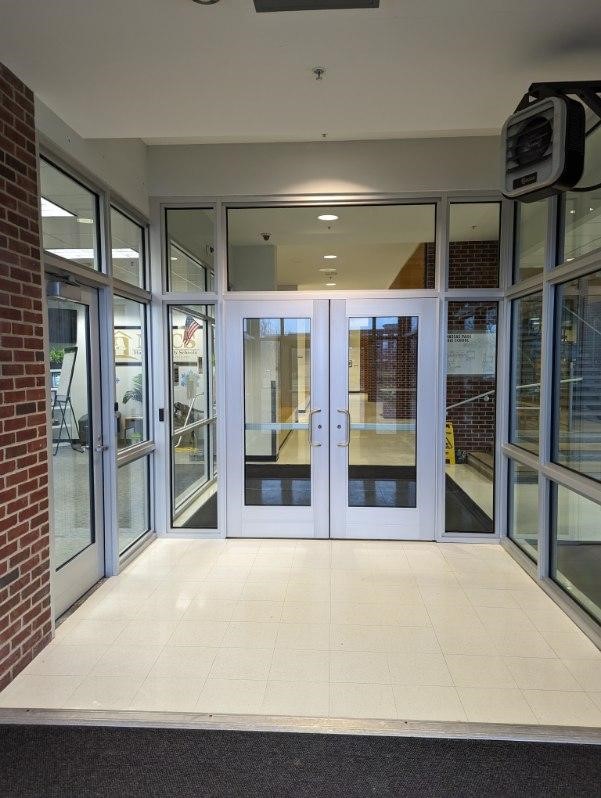
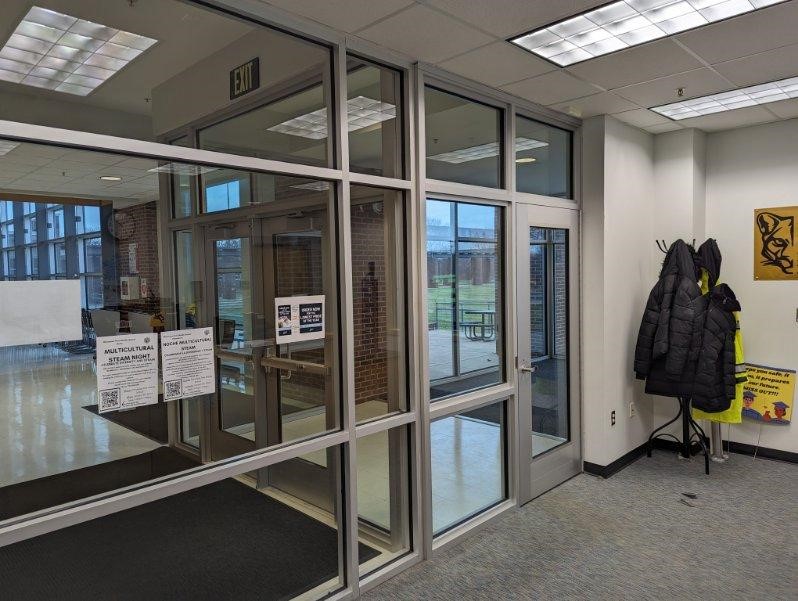
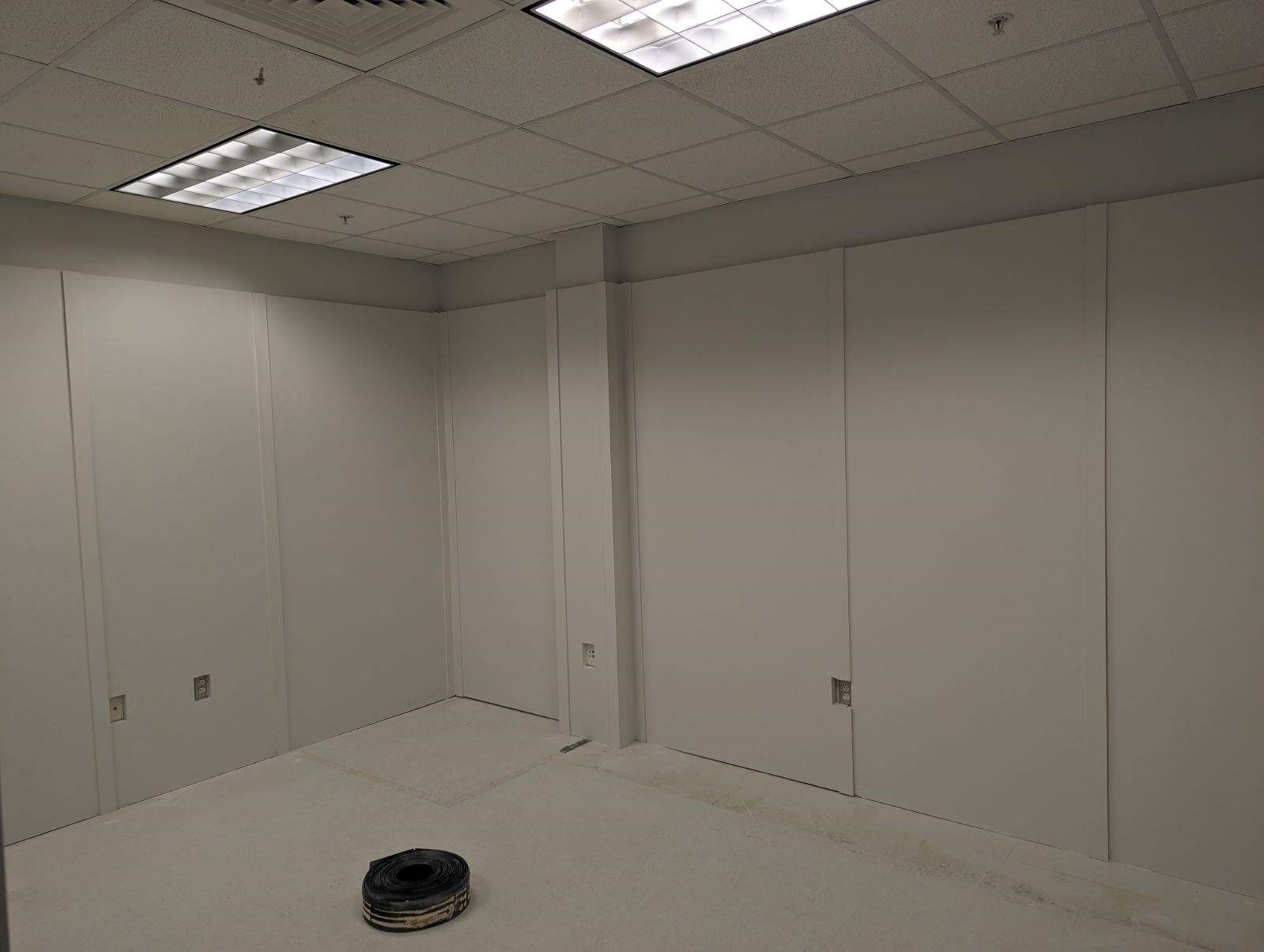
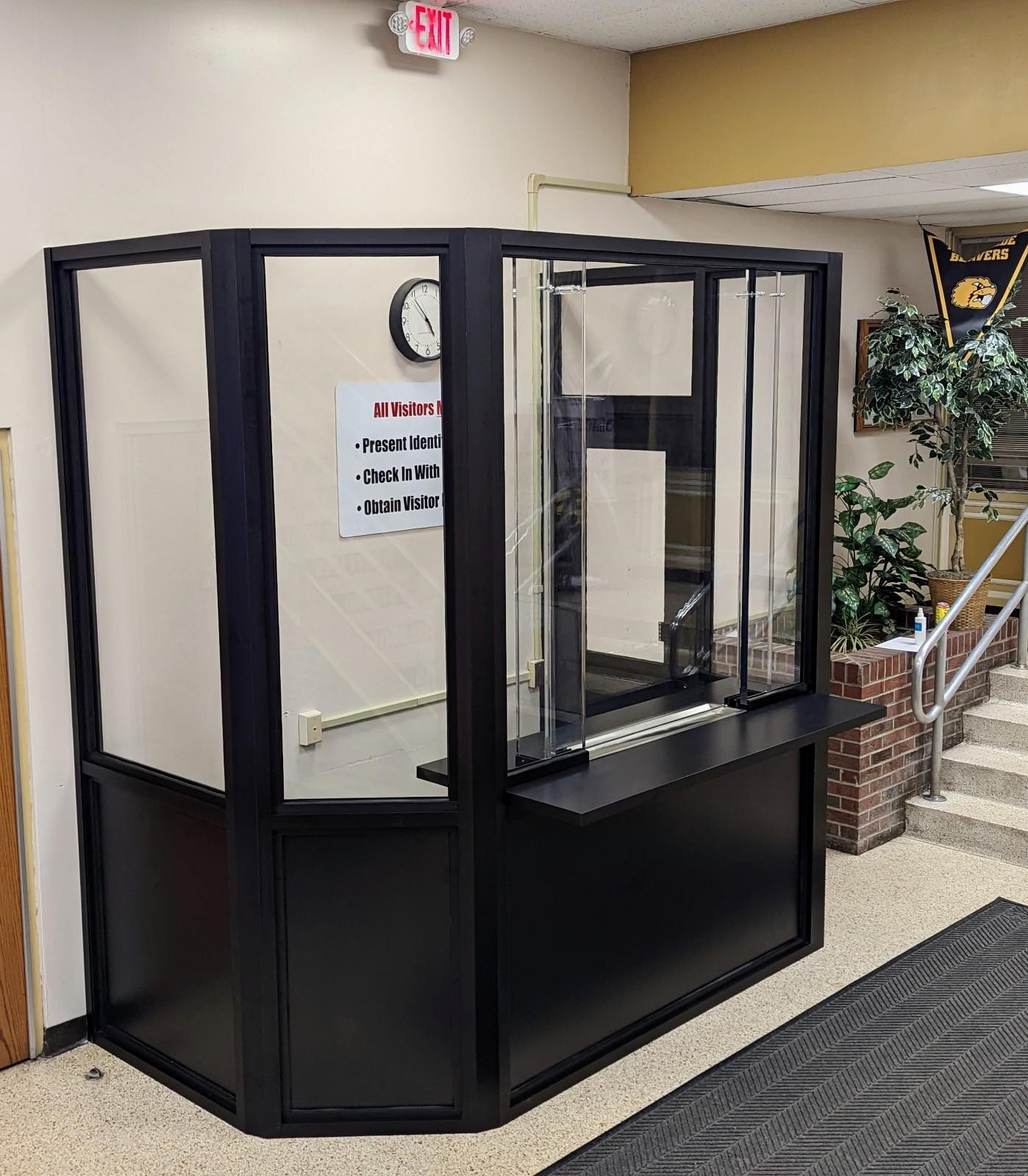
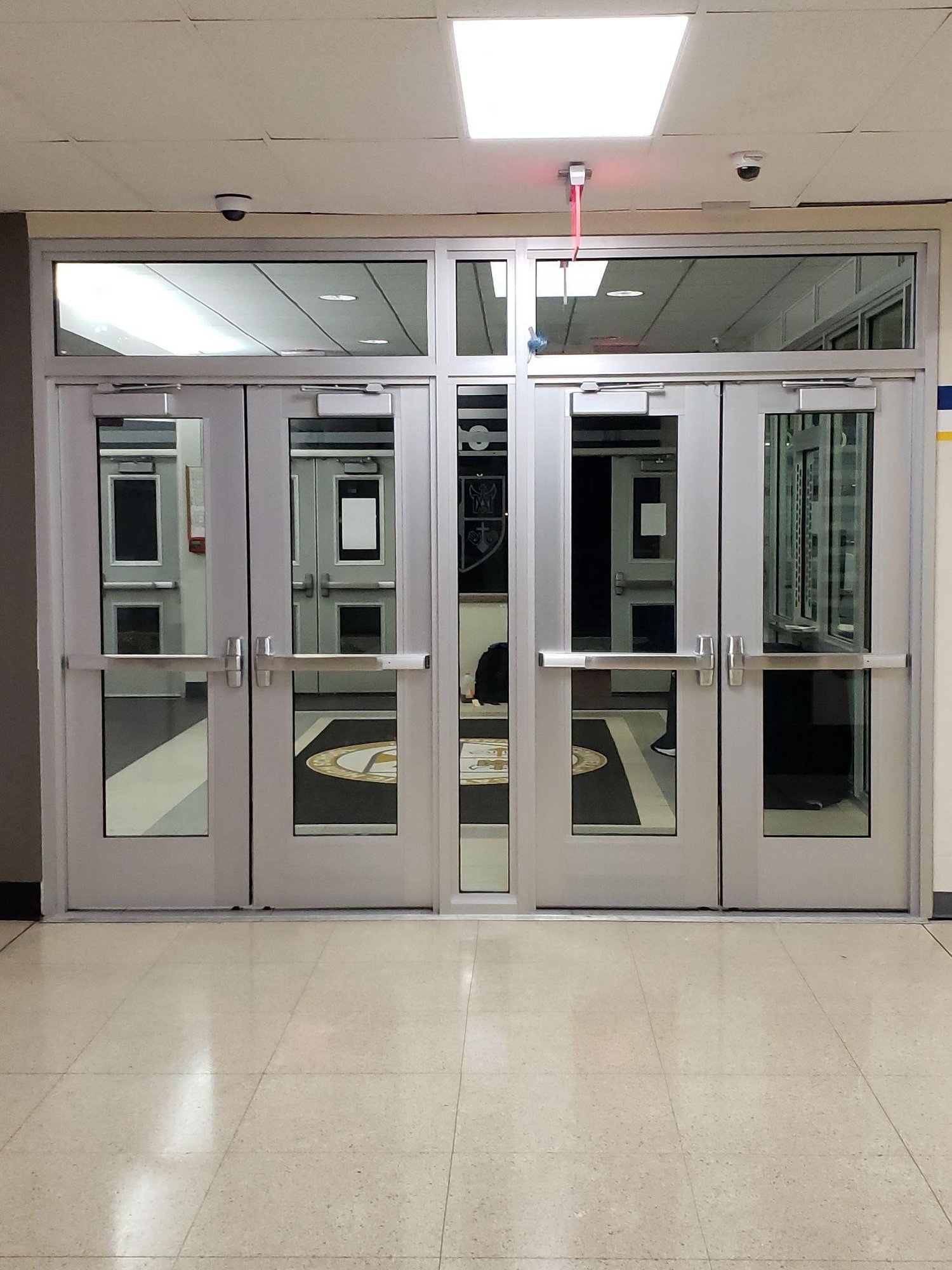
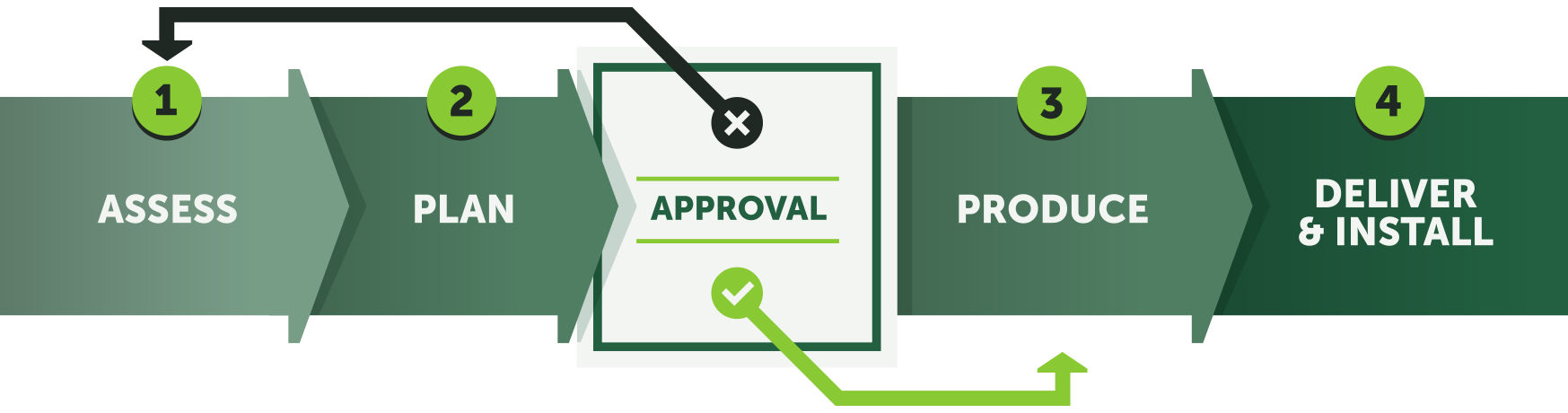
After the Nashville school shooting in 2023, a school system approached TSS about adding ballistic barriers to five of its school buildings. Together, we designed ballistic barrier systems that matched their threat level. These systems included bulletproof glass entryways, ballistic framing systems, and bulletproof safe rooms. TSS met their tight installation timeline, ensuring a safe environment to protect kids and teachers alike.
Read the Case Study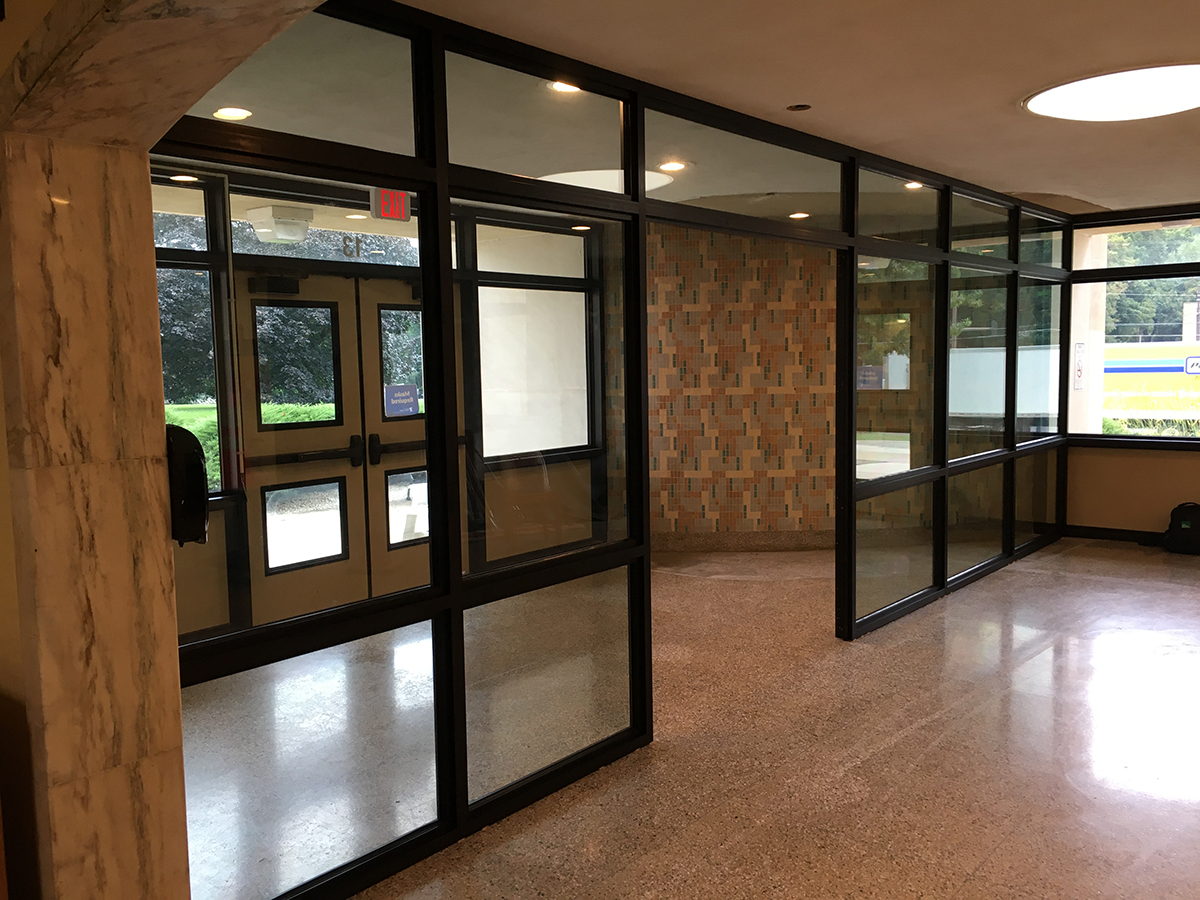
We Work with You to Create a Bulletproof School Design That Fits Your Budget and Timeline
Schools can face unique challenges when it comes to adding ballistic protection to their buildings. When time and budget constraints limit your options, TSS is here to help you find a solution. We collaborate with schools and educational institutions nationwide to develop bulletproof barriers that fit their budget, comply with local laws, support any grant or funding requirements, and align with school schedules.
Bulletproof Doors for Schools
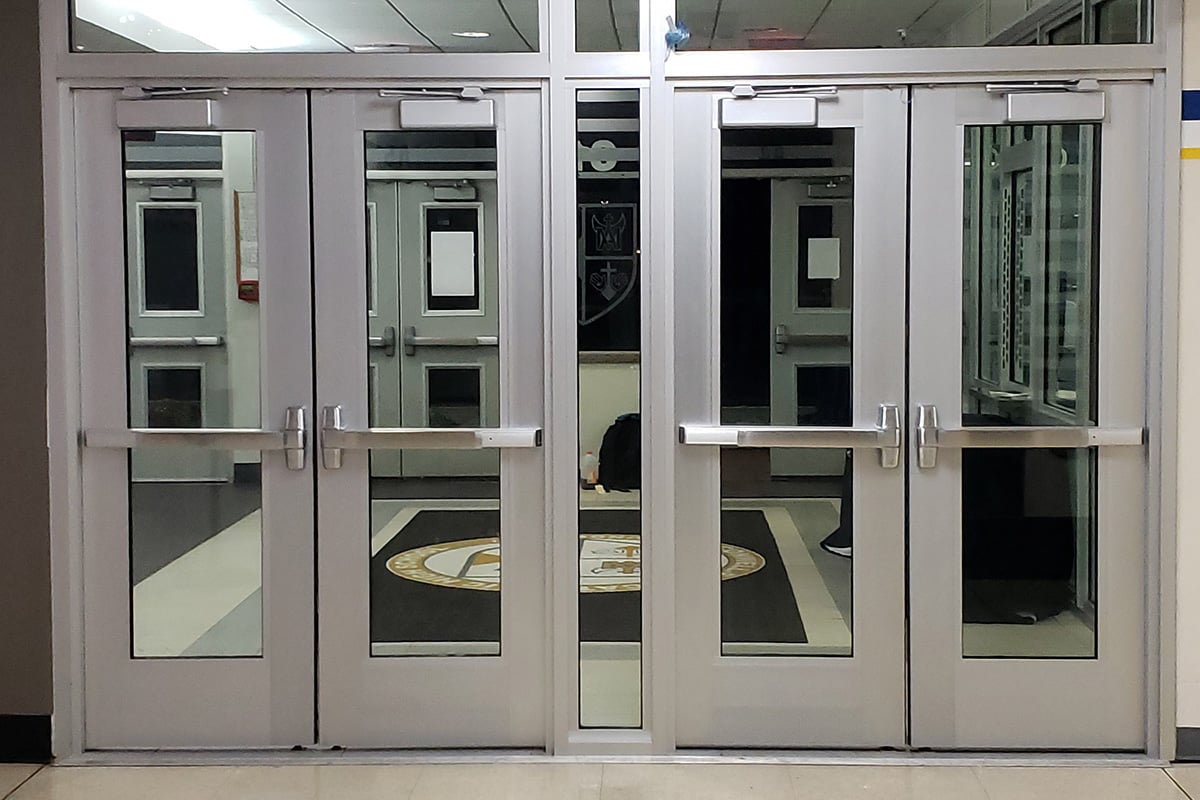
Whether you're looking for security doors for schools, bulletproof classroom doors, or bulletproof doors for schools, TSS is ready to help. We can help you identify your threat level, ideal level of bullet resistance, how it complements existing security technology, and where to place products for maximum effectiveness during an emergency.
Bulletproof Glass for Schools
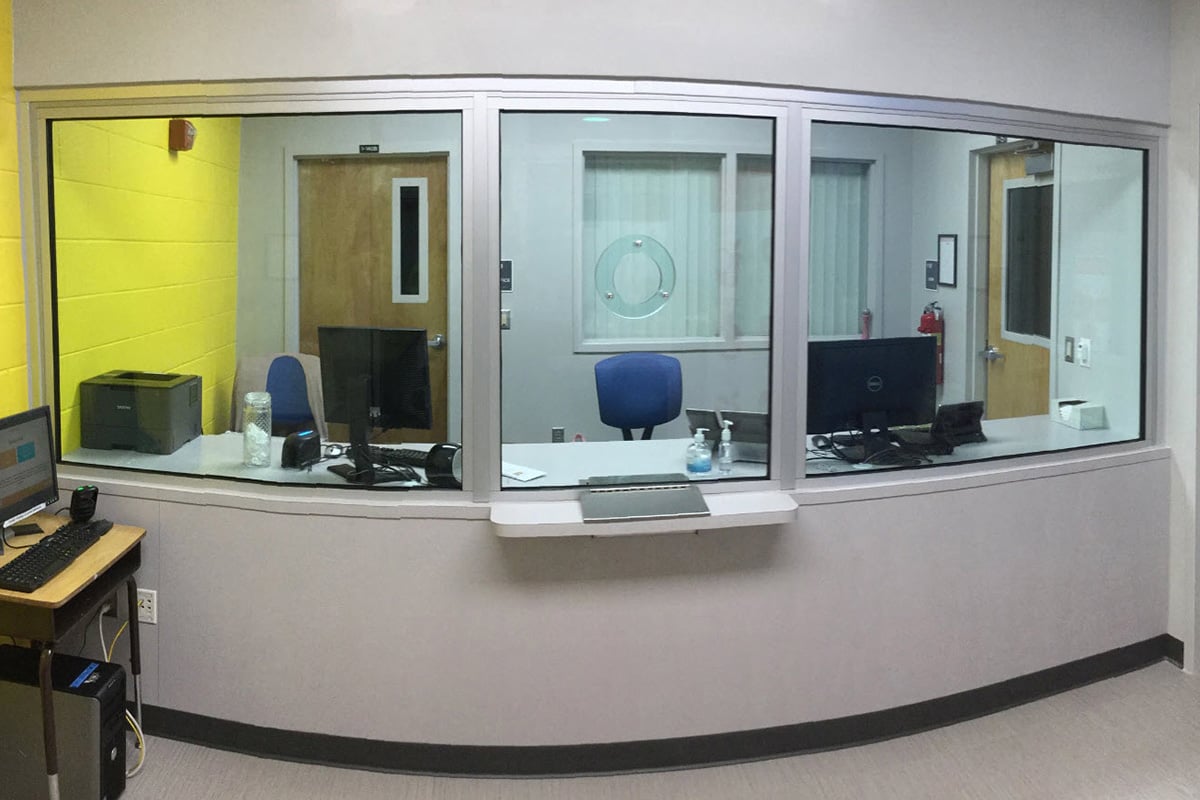
Do schools have bulletproof glass? Not unless you choose to add it. Some of the most common areas that we add bulletproof glass for schools includes: the front desk reception area, entry vestibules, and windows in high-risk areas.
Bulletproof School Project Highlight: Archdiocese of Philadelphia
.jpg?width=2000&height=1500&name=IMG_3947(2).jpg)
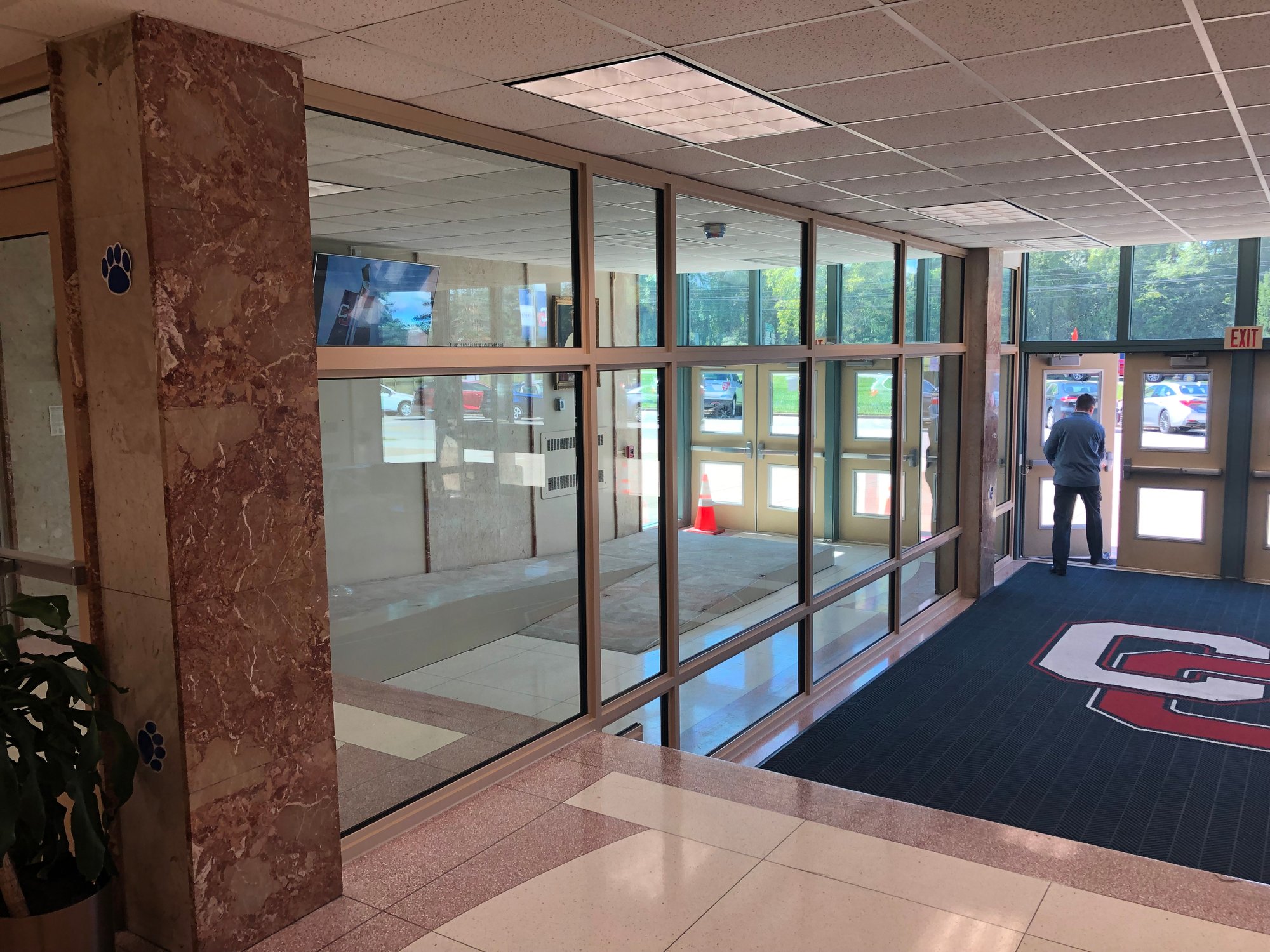
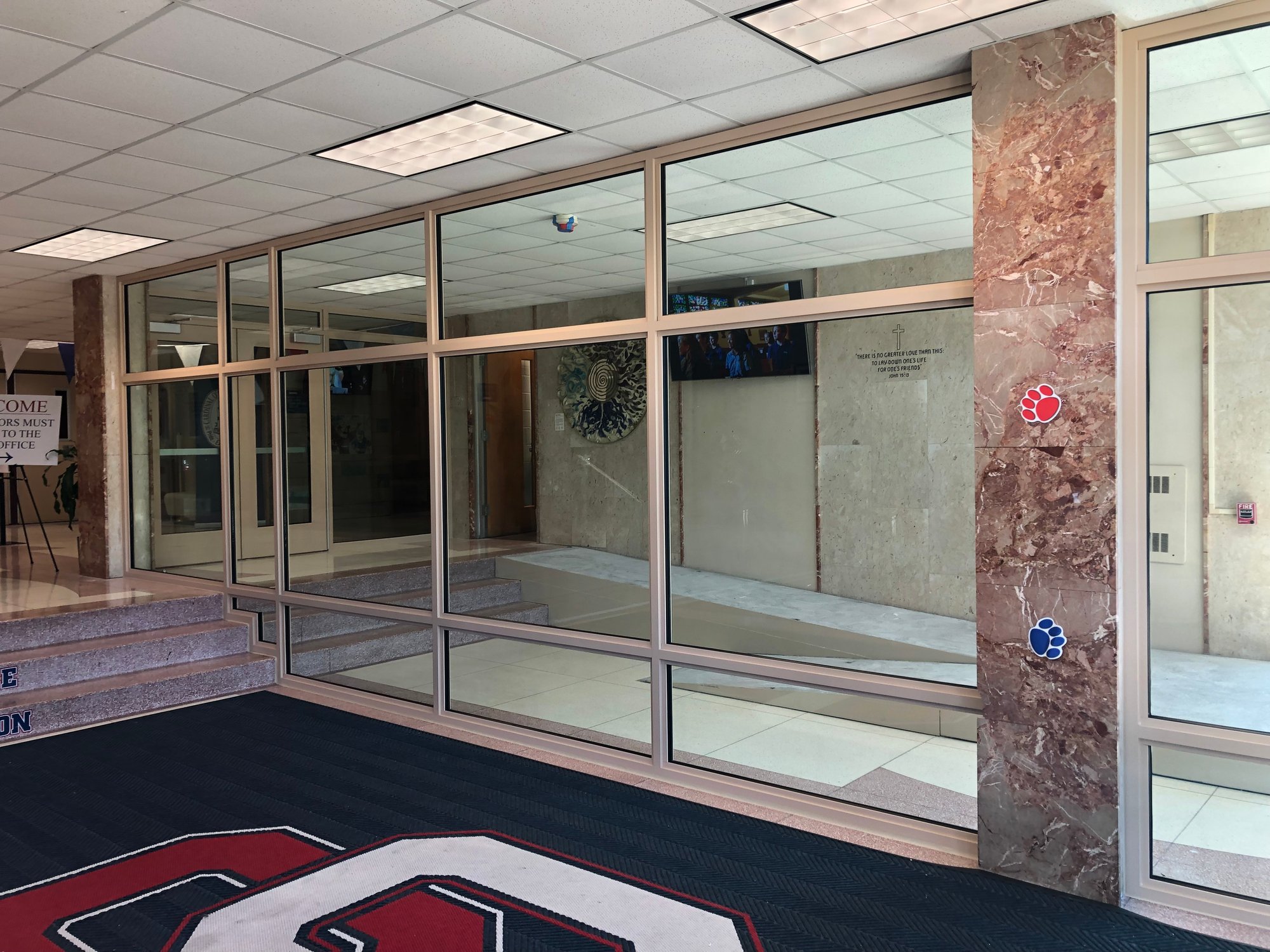
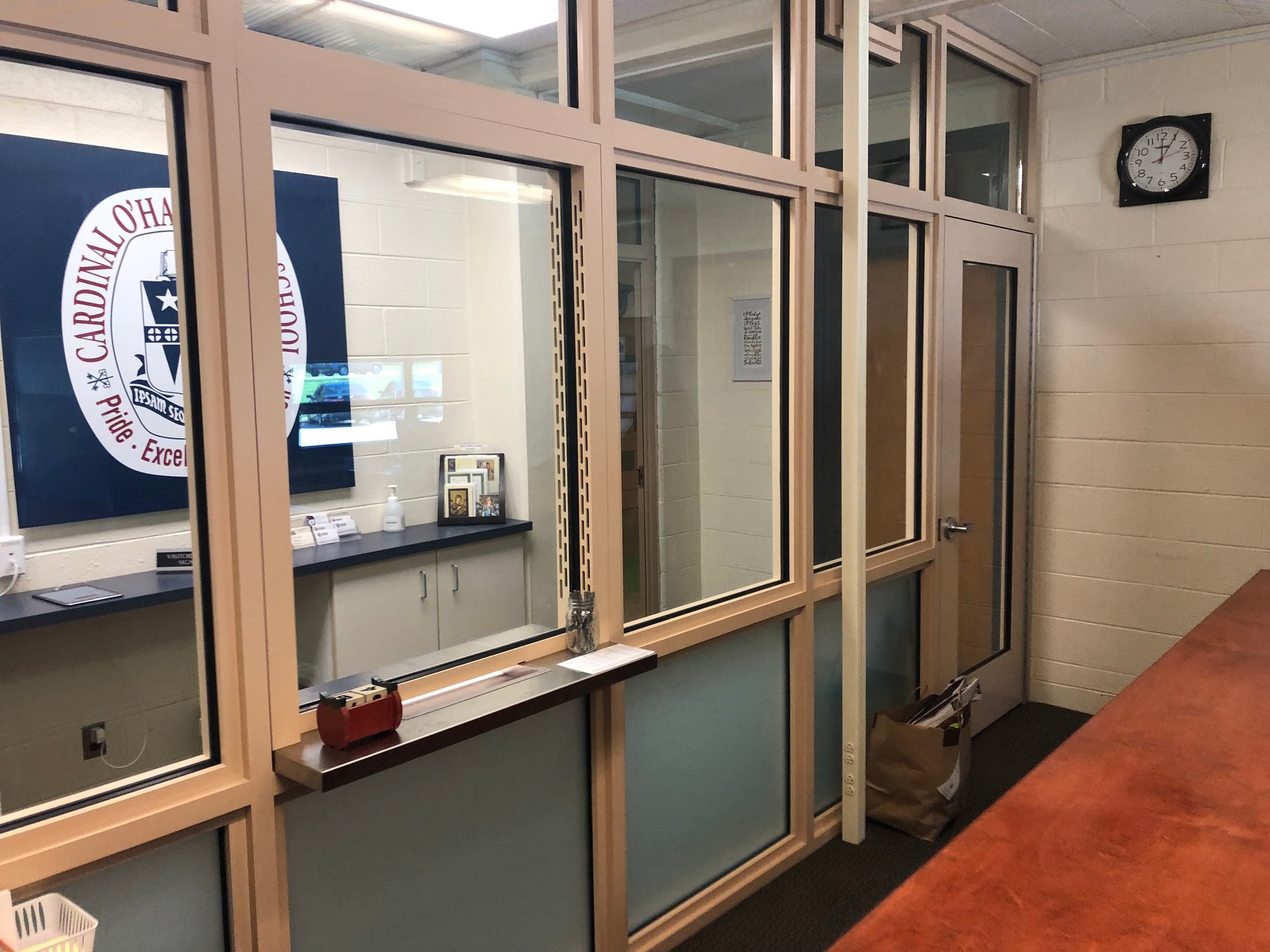
Despite their excellent security track record, the Archdiocese of Philadelphia wanted to increase protection from bullets at 15 of its high schools. After conducting safety assessments with the State Police, the Archdiocese team chose TSS to design and fabricate custom systems for each of their schools’ unique entryways. The end result is secure entryways that make it easy for staff to check in visitors and that blend seamlessly with the surrounding look of the building. Every detail was accounted for, including the placement of fire alarm boxes and security cameras.
Best Practices for Bulletproofing Your School
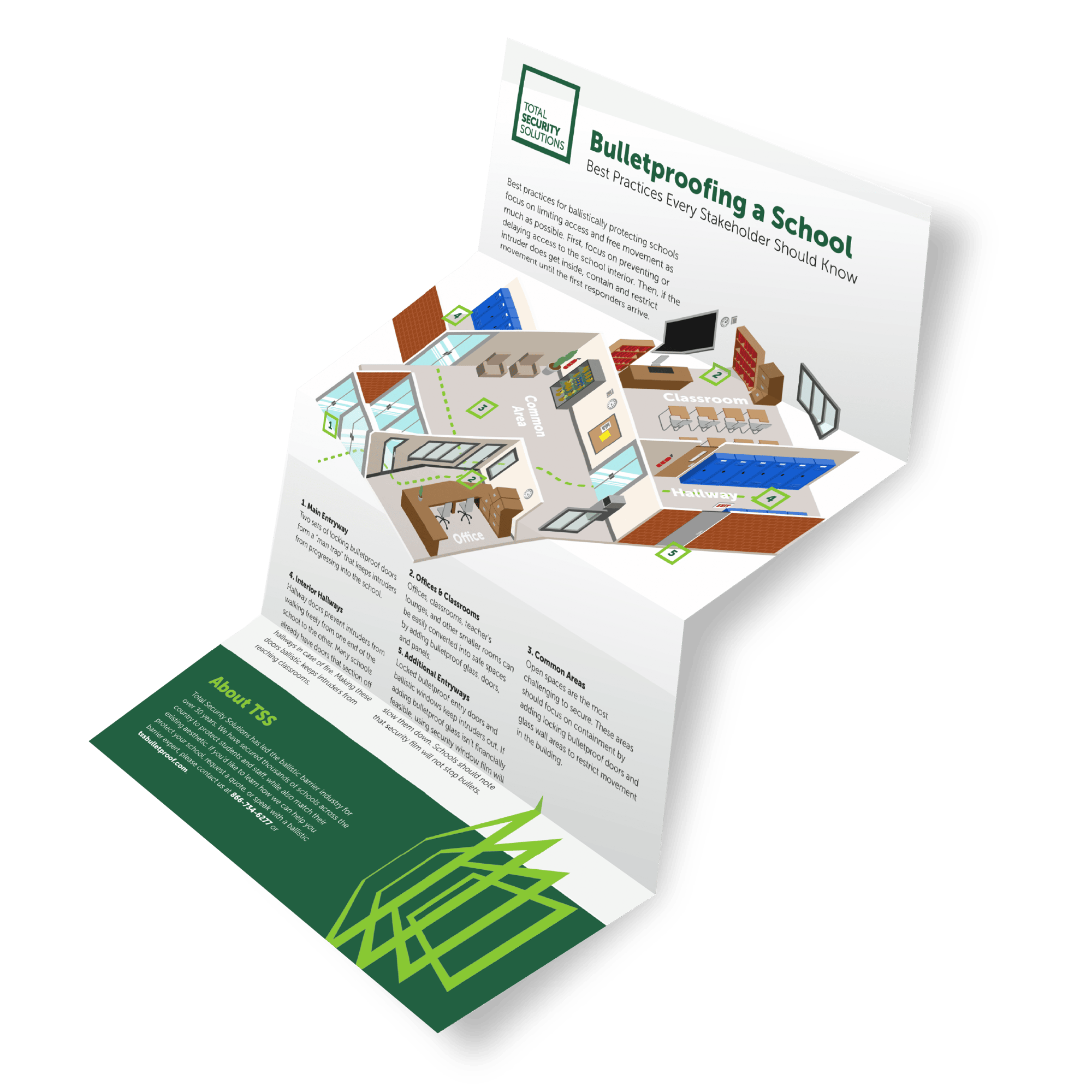
Know you need a barrier, but aren't sure where to put it? TSS is here to help. We outline the best practices for adding bulletproof protection to your school in our free infographic, “Bulletproofing a School: Best Practices Every Stakeholder Should Know.” This resource helps you gain insight and avoid costly mistakes when upgrading your school's safety. To learn more, download today.
TSS IS YOUR EXPERT PROVIDER FOR BULLETPROOF CLASSROOM DOORS, BULLETPROOF SAFE ROOMS & MORE
If you’re considering adding a ballistic barrier to your school or educational facility, don’t wait to talk to TSS. Whether you’re ready to request a quote or simply want to discuss your options, our team is ready to speak with you.